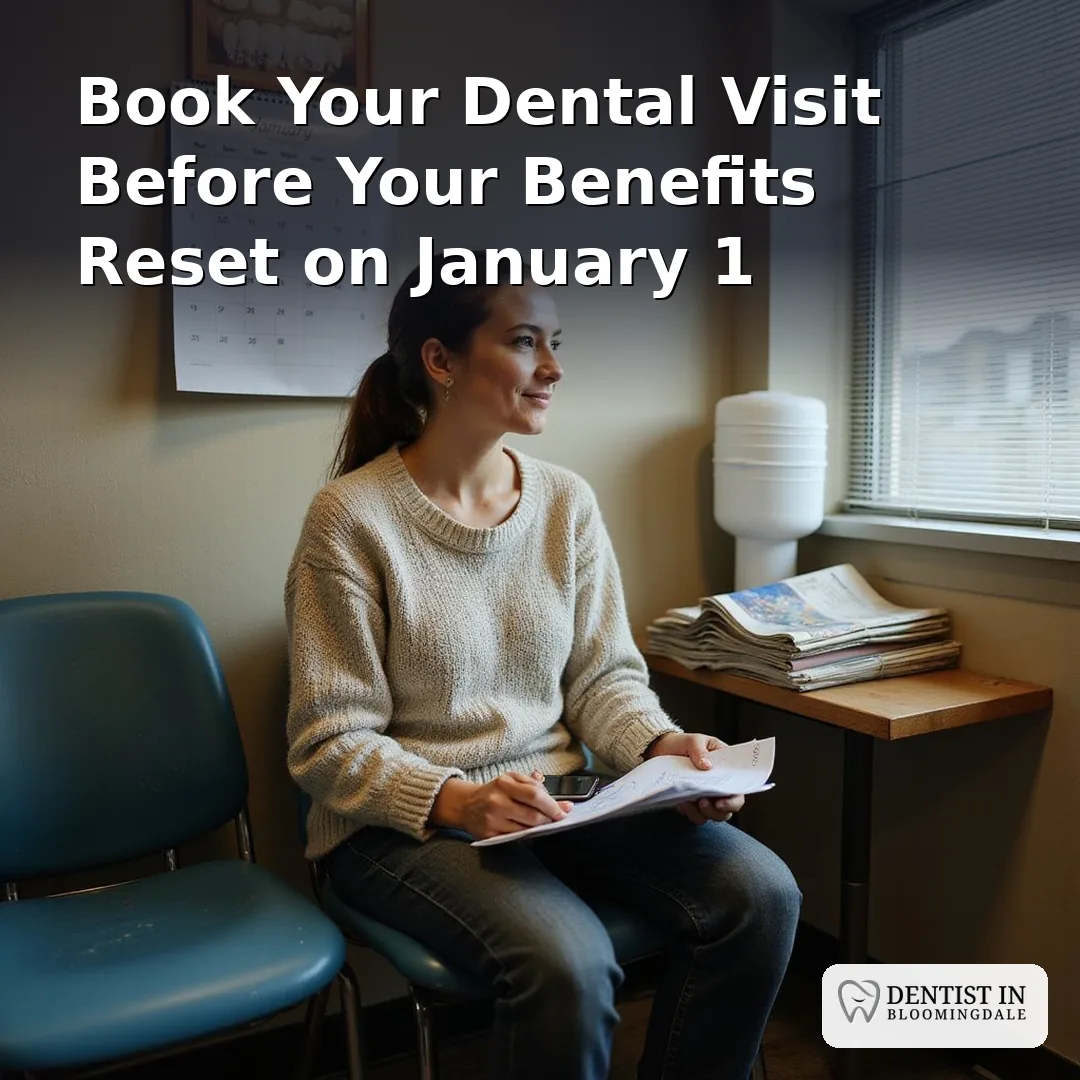
Many people put off a checkup, then find few open appointments near year’s end. They may also leave dental insurance benefits unused before their plan resets.
Many plans reset their yearly limits on January 1, but dates can vary. This guide explains what plans may cover and how to book before the rush.
A visit before January 1 can help patients use benefits from the current plan year. Some plans reset on that date, and unused benefits may not carry over.
Booking before year-end also gives patients more time to find an appointment that fits their schedule. A quick call can help them ask about open visits.
Dental insurance benefits can be tricky. Most plans have a set amount they pay each year, and this resets on January 1. If you haven’t used all your benefits by then, you might lose them. Plus, many plans limit how often you can get preventive care like cleanings and exams each year.
Many dental plans set an annual maximum, the most the plan will pay for covered care during the year. After a patient reaches that limit, they pay for additional care until benefits reset. Plans with a calendar-year schedule reset on January 1. Any unused amount often expires instead of carrying over, but plan rules can vary.
Dental plans may cover cleanings and exams only at set times, often twice a year. If a patient books too soon, the plan may not pay, and the patient may owe more. Coverage rules vary, so checking the plan’s schedule can help prevent a surprise bill.
Most dental plans cover preventive services. This includes things like cleanings and check-ups, which are important for keeping smiles bright and healthy. Basic procedures, like fillings or extractions, usually fall under coverage too.
Major procedures can also be included but often require more out-of-pocket costs. Each plan is different, so it's smart to check what applies in each case.
Preventive services are important for keeping teeth healthy. They help catch problems early and save money in the long run.
Taking advantage of these preventive services can lead to healthier smiles and fewer unexpected dental issues down the road!
Basic procedures are essential for maintaining good oral health. They often help treat issues that could worsen if left untreated.
These basic procedures support dental health and help patients keep their smiles bright!
Major procedures often cost more and take longer to complete. These services are essential for serious dental issues.
Booking these procedures before January 1 may be wise for those with dental insurance benefits. It helps maximize coverage before benefits reset for another year.
Maximizing your dental benefits means booking that appointment before the year wraps up. This way, you can use what you’ve paid for. Don’t let those benefits slip away! Discover how to make the most of them and keep smiles bright all year long.
Booking a dental appointment before the year ends is smart. Taking action now can help you use your benefits wisely.
Planning ahead pays off; booking early means less stress later!
Scheduling dental services for the whole family can feel like a puzzle. Each member’s needs may vary, so it is smart to plan ahead. Start by listing everyone’s appointments. Include cleanings, check-ups, or treatments needed this year.
Family members often have different insurance limits and schedules. Some might need more preventive care, while others require major procedures. Keep track of these differences to maximize benefits before the new year starts. By planning wisely, families can use their benefits fully and keep smiles shining bright!
When booking your appointment, ask about open slots and have your insurance details ready. This can save time and make the process smoother. A little prep goes a long way!
Ask about open appointments. Check when the dentist has time available. It's best to call and find out what slots are open. Many people try to book their visits before benefits reset on January 1. So, the calendar can fill up fast.
A quick chat with the office staff can help you see what works for your schedule. Being flexible helps too! You might get an earlier date if you can come in at different times or days. Getting that appointment set now means fewer worries later on!
Gathering insurance information is important before booking a dental appointment. Have your policy number and group number ready. This makes the process smoother for everyone involved.
Checking what services are covered helps avoid surprises later. Bring any cards or documents that outline benefits. Having this information handy can save time and reduce stress at the dentist's office.
Many dental plans reset their benefits on January 1. If you wait, you may lose benefits you could use this year. Book early, since appointments can fill fast.
Your plan may reset its yearly limit, deductible, or covered visits. Check your dental insurance details, since each plan works a little differently.
Your plan may cover preventive care, such as a cleaning and exam. It may also help pay for needed treatment. Call your dental office to check your coverage and costs.
Call your dental office and ask for an appointment before January 1. Have your insurance card ready, and ask if the office can check your remaining benefits. Don’t leave it to the last minute.
Tell us a little about what you need — we'll be in touch shortly.
366 W Army Trail Rd #310a, Bloomingdale, IL 60108, United States
Hi! I'm Tooth fairy! Your AI Assistant Ask me anything