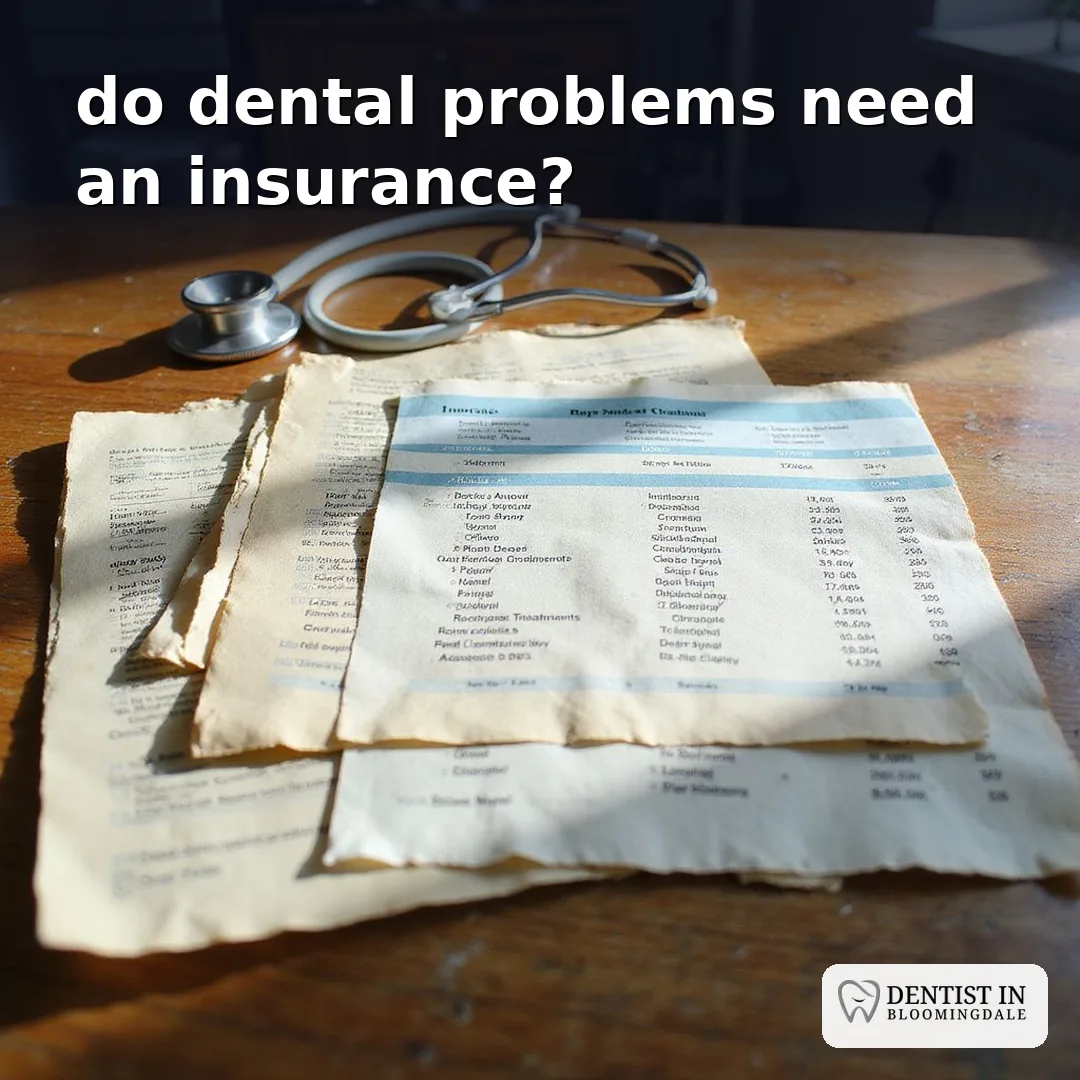
Many people worry when a tooth suddenly hurts, chips, or needs a crown. They stare at a bill, and think, what now, how will they pay?
One fact helps, dental care can get expensive, fast. This post explains if dental insurance helps, what it usually covers, what it costs, and other ways to manage care. It will help readers make a clear choice.
Dental problems can create big bills fast. Patients often ask, do dental problems need an insurance?
Dental insurance helps cover the costs of dental care. Patients pay a monthly fee, known as a premium, to get help with expenses like check-ups, cleanings, and repairs. Different plans offer various coverage options.
Some focus on preventive services while others may cover more complex treatments too.
Here are common dental insurance coverage options, listed for quick comparison.
| Option | What it covers | Typical coverage | Typical costs or limits |
|---|---|---|---|
| Preventive Care | Routine exams, cleanings, X-rays, fluoride. | Often fully covered, or mostly paid. | Low or no copay, no waiting period, helps avoid big bills. |
| Basic Procedures | Fillings, simple extractions, emergency visits. | Usually 70% to 80% paid by plan. | Moderate copays, small deductible, common after short wait. |
| Major Procedures | Root canals, crowns, bridges, implants in some plans. | Often 50% paid, sometimes not covered first year. | Higher copays, longer waiting periods, can hit annual max fast. |
| Orthodontics | Braces, clear aligners, mostly for children. | Typically 50% coverage for eligible patients. | Lifetime limits common, for example $1,000 to $2,000, separate waiting times apply. |
| Preventive-Only Plans | Only exams and cleanings, basic X-rays. | Paid in full for covered services. | Lower premiums, no help with bigger work. |
| Network Types | PPO, HMO, indemnity options, each affects choice. | PPOs offer more dentist choice, HMOs cut costs with assigned providers. | PPOs cost more in premiums, HMOs have lower out-of-pocket fees. |
| Annual Maximums | Total plan payout per year, applies to most services. | Common caps range $1,000 to $1,500. | Once hit, patient pays full costs for the year. |
| Waiting Periods | Time before coverage kicks in for certain services. | Common lengths are six to twelve months. | Shorter waits for preventive care, longer for major work. |
| Deductibles and Copays | Out-of-pocket amounts before plan pays. | Deductibles often $50 to $200 yearly. | Copays vary by service, add to total patient cost. |
| Waiting-for-Accident Clauses | Immediate coverage for treatment after accident. | Often applies even if other services have waits. | Useful for sudden injuries, read fine print carefully. |
| Cosmetic Work | Veneers, whitening, elective procedures. | Rarely covered by standard plans. | Patients pay full cost, separate financing may help. |
| Child vs Adult Limits | Different coverage rules can apply by age. | Pediatric preventive care may receive higher priority. | Orthodontic rules often favor minors, check plan specifics. |
| Out-of-Network Benefits | Coverage for dentists outside plan network. | Usually lower reimbursement levels. | Balance billing can increase patient bills, compare rates first. |
Dental insurance can cut routine bills, and soften the blow of major work.
| Service | Typical Cost Without Insurance | Typical Insurance Coverage | Typical Out-of-Pocket | Benefit Summary |
|---|---|---|---|---|
| Preventive care, cleaning, exam | $75 - $200 per visit | 80% - 100%, often two visits yearly | $0 - $40 |
|
| Filling, simple cavity | $150 - $300 per tooth | 50% - 80% | $75 - $150 |
|
| Root canal | $700 - $1,200 | 40% - 60% | $280 - $720 |
|
| Crown | $800 - $1,800 | 30% - 50% | $560 - $900 |
|
| Extraction, simple | $75 - $300 | 70% - 100% | $0 - $90 |
|
| Emergency visit, urgent pain | $100 - $300 | 0% - 50% | $50 - $300 |
|
| Orthodontics, braces | $3,000 - $7,000 | 0% - 50%, often lifetime max applies | $1,500 - $6,000 |
|
| Annual premium | N/A | Plan feature, paid by enrollee | $200 - $600 per person |
|
| Annual maximums and waiting periods | N/A | Common limits: $1,000 - $2,000 per year | Varies by plan, waiting 6-12 months for major work |
|
Here are clear pros and cons to weigh.
| Pros | Cons |
|---|---|
|
|
After looking at the pros and cons of dental insurance, it’s clear that some people might seek other options. Many choices can help manage dental care costs without insurance.
Each alternative has its own benefits and drawbacks, but they can help manage the costs of dental care effectively.
Dental insurance helps in specific situations. It shines when a person needs regular check-ups and preventive care. Routine visits can catch problems early, saving a lot of money later.
Patients with ongoing issues like cavities or gum disease also benefit greatly from coverage.
Insurance plans often cover basic services fully or at low costs. This makes it easier to manage dental fees for patients who face several procedures during the year. For many, having insurance means less stress about out-of-pocket expenses when seeking treatment options.
Next up is looking at key factors before choosing dental insurance that fits their needs best.
Choosing the right dental insurance is a big decision. Many factors can affect this choice.
This list helps guide patients through their options when selecting dental insurance that fits their needs best, ensuring they enjoy better access to oral health care.
Dental insurance can bring up many questions. What does it cover? Most plans focus on preventive services, like cleanings and check-ups. Patients often ask if they need it for dental problems.
The answer usually depends on individual needs and costs.
Another common question is about out-of-pocket expenses. Most patients want to know how much they will pay when using their benefits. Costs vary by coverage options and providers, so it's wise to look at different plans.
Understanding the limits of coverage helps manage future dental fees well too, especially for significant procedures like root canals or crowns.
Yes, dental problems often need insurance. Dental care can be costly. Insurance helps cover expenses like cleanings, fillings, and crowns.
Dental insurance offers many advantages. It reduces out-of-pocket costs for treatments. You also get regular check-ups at a lower price, which keeps your teeth healthy.
Paying for dental care without insurance can be tough on the wallet. Procedures can add up quickly; even routine visits might strain your budget if you’re not prepared.
If you lack coverage during a major problem, it could lead to financial stress; think root canals or extractions that cost hundreds of dollars! It’s wise to consider getting some form of coverage to avoid such surprises down the road.
Tell us a little about what you need — we'll be in touch shortly.
366 W Army Trail Rd #310a, Bloomingdale, IL 60108, United States
Hi! I'm Tooth fairy! Your AI Assistant Ask me anything