Many people hide a smile because of a missing tooth. They fear chewing, talking, or pictures. Dental Bridges can fix those problems and bring back confidence.
A dental fact may surprise them, bridges can replace one or more missing teeth and anchor to nearby teeth or implants. This guide explains the types, the procedure, and how to care for a bridge.
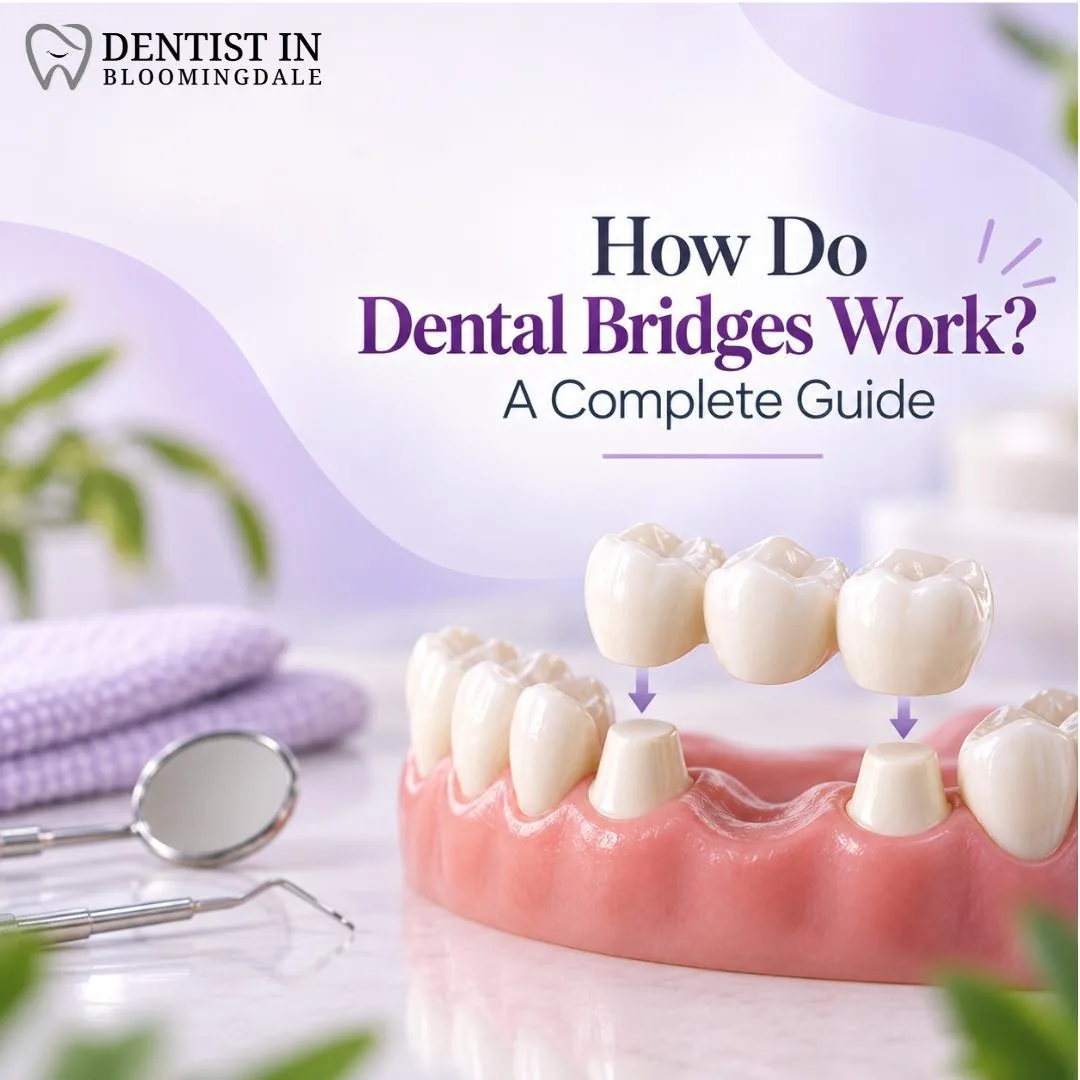
A dental bridge acts as a fixed prosthetic that fills a gap left by a missing tooth. Dentists anchor the bridge on nearby abutment teeth or on implants. The middle piece, called a pontic, replaces the missing tooth. A clinician recalled placing a three-unit bridge in 2019 and watching a patient smile with confidence after fitting dental crowns over the supports.
This procedure moves chewing forces away from the gap and into healthy teeth. Patients gain restoration of speech, chewing, and appearance. The team chooses types based on location, gum health, and bone support. A patient noted the quick recovery and easier dental care after tooth replacement.
Dental bridges fill the gap left by missing teeth and restore your smile. They rely on support from nearby teeth or implants to stay in place.
Dental bridges restore smiles and improve oral health. They fill gaps caused by missing teeth effectively.
Understanding how these steps work makes dental bridges feel less intimidating. Next, readers can explore methods of securing dental bridges for a deeper look into this treatment option.
Here are common ways dentists anchor bridges.
| Method | How It Works | Pros | Cons | Typical Use |
|---|---|---|---|---|
| Traditional Bridge | Two teeth get crowns. The false tooth sits between them. The dentist removes small enamel to fit the crowns. | Strong bite. Looks natural. Long track record. | Adjacent teeth lose healthy enamel. A higher chance of future decay if hygiene slips. | Used when both neighboring teeth are healthy enough for crowns. |
| Cantilever Bridge | One tooth supports the bridge from one side only. The pontic extends out like a shelf. | Needs less prep. Faster than some options. | Higher stress on the single abutment. Not ideal for back teeth that take heavy chewing. | Best for areas with a single strong neighbor, like front teeth. |
| Maryland (Resin-Bonded) | A metal or ceramic wing bonds to the back of a neighboring tooth. The pontic attaches without full crowns. | Conserves tooth structure. Often less costly and quicker. | Bond can fail over time. Not built for heavy chewing zones. | Works well for replacing front teeth with minimal tooth prep. |
| Implant-Supported Bridge | One or more dental implants act as posts. The bridge fastens to implants like a ship to a dock. | Bone-friendly. Very stable. Preserves adjacent teeth. | Surgery is required. Treatment spans months for healing. | Ideal for replacing several missing teeth in a row, or when adjacent teeth are healthy. |
| Adhesive Bridge | A composite resin bonds the pontic. It uses minimal tooth alteration and sticks to enamel surfaces. | Quick fix. Gentle on teeth. Affordable. | Less durable than fixed options. May need replacement sooner. | Used for temporary needs or small esthetic fixes. |
Dental bridges offer many benefits for people missing teeth. They restore smiles and improve self-confidence. Many users say they feel more comfortable engaging in conversations or eating their favorite foods again.
The prosthetic abutments secure dental crowns on either side of the gap, which helps maintain jaw alignment. This stability is crucial for proper chewing and speaking. Many patients find that bridges are a quick solution to tooth replacement compared to other options like implants.
Dental bridges also promote better oral health. Gaps from missing teeth can lead to shifting of nearby teeth and even gum problems. Bridges fill these gaps, preventing neighboring teeth from drifting into empty spaces; this promotes overall gum health too.
Some individuals appreciate that getting a bridge requires fewer visits than some other dental procedures do, which saves time and hassle in their busy lives. With minimal maintenance required, most enjoy the long-lasting results provided by a well-fitted bridge, making them an appealing choice in restorative dentistry today.
A dental bridge is a fixed device that replaces missing teeth. It connects to the natural teeth on either side of the gap, filling in the space.
Dental bridges work by anchoring artificial teeth, called pontics, to crowns placed on adjacent teeth. This creates stability and restores function for chewing and speaking.
Dentists often use porcelain or metal for bridges. Porcelain blends well with natural teeth; metal offers strength and durability.
With proper care, dental bridges can last five to fifteen years or more. Regular check-ups and good oral hygiene help keep them in great shape over time.
Tell us a little about what you need — we'll be in touch shortly.
366 W Army Trail Rd #310a, Bloomingdale, IL 60108, United States

Hi! I'm Tooth fairy! Your AI Assistant Ask me anything