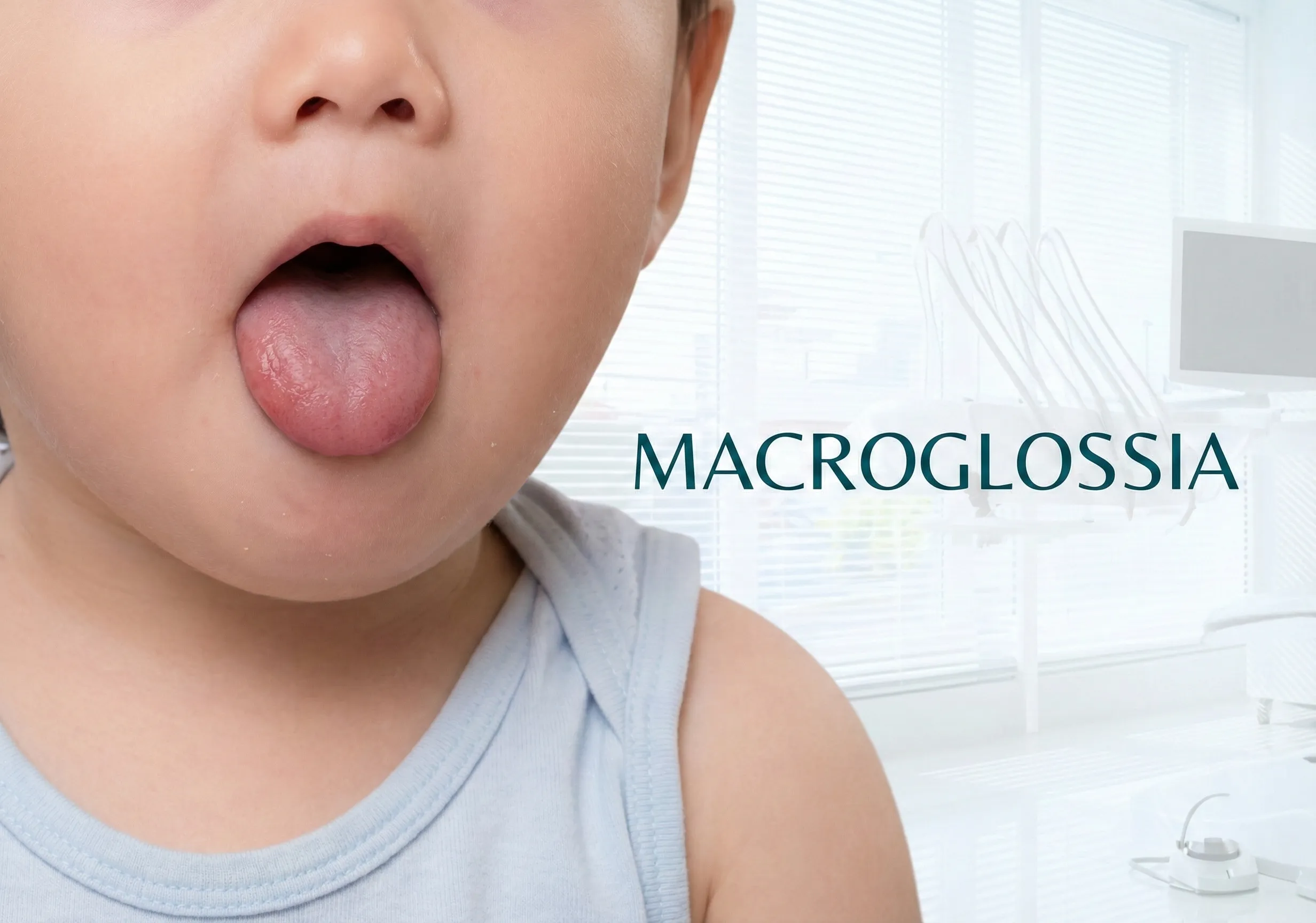
Macroglossia is a condition seen in some individuals where the tongue appears abnormally large or heavy. This enlargement can interfere with normal oral functions and overall comfort.
Macroglossia may be congenital (present from birth) or acquired later in life. At Dentist in Bloomingdale, we believe patient awareness is the first step toward proper diagnosis and management.
Below, we explain the causes, symptoms, diagnosis, and treatment options for macroglossia in a clear and patient-friendly way.
The causes of macroglossia vary depending on whether the condition is congenital or acquired.
Macroglossia present from birth may be associated with:
Macroglossia may also develop later in life due to:
These conditions can interfere with normal body functions and contribute to tongue enlargement.
An enlarged tongue can affect both dental alignment and daily activities. Common symptoms include:
At Dentist in Bloomingdale, dental changes related to macroglossia are often one of the first signs noticed during an oral examination.
Macroglossia is usually diagnosed through a physical examination, followed by investigations to determine the underlying cause.
Since multiple systemic conditions may contribute to this condition, further medical tests are often required. Your doctor or dental professional will guide you through the appropriate evaluations based on your individual health status.
Treatment depends on the cause and severity of the condition.
Management options include:
Early evaluation can help prevent complications related to speech, breathing, and dental crowding.
At Dentist in Bloomingdale, we provide comprehensive oral evaluations and work closely with patients to identify conditions affecting oral function, including macroglossia.
Our team helps guide patients toward appropriate care, whether that involves dental management, supportive therapy, or referral for further medical evaluation.
If you or a family member is experiencing difficulty with speech, chewing, or dental alignment due to an enlarged tongue, schedule a consultation with Dentist in Bloomingdale today.
Your oral comfort and function matter.
Macroglossia is a condition in which the tongue is abnormally large or heavy. The enlargement can interfere with normal oral functions such as chewing, speaking, and breathing, and with overall comfort. It may be congenital, meaning it is present from birth, or acquired later in life as a result of another medical condition affecting the body.
Causes differ depending on whether the condition is congenital or acquired. Congenital macroglossia may be associated with Down syndrome, neurofibromatosis, or congenital hypothyroidism. Acquired macroglossia may develop later in life due to hypothyroidism, diphtheria, tuberculosis, or sarcoidosis. Because these conditions affect the body more widely, identifying the underlying cause is an important part of the assessment.
An enlarged tongue can push against the teeth and affect daily function. Common symptoms include protruding or proclined teeth, crowding or misalignment, difficulty eating or chewing, interference with speech, snoring or breathing difficulty, and in some cases high-pitched breathing sounds. Dental changes are often among the first signs noticed during an oral examination.
Diagnosis usually begins with a physical examination, followed by investigations to determine the underlying cause. Because several systemic conditions may contribute, further medical tests are often required. A doctor or dental professional guides the appropriate evaluations based on the individual's overall health status rather than assessing the tongue in isolation.
Treatment depends on the cause and the severity. Options include treating the underlying medical condition, such as regulating thyroid function in hypothyroidism, speech therapy in mild cases to improve tongue movement and function, and surgical reduction of tongue size in severe cases to improve speech, chewing, and breathing. Dental consultation can help manage tooth alignment and oral function.
Tell us a little about what you need — we'll be in touch shortly.
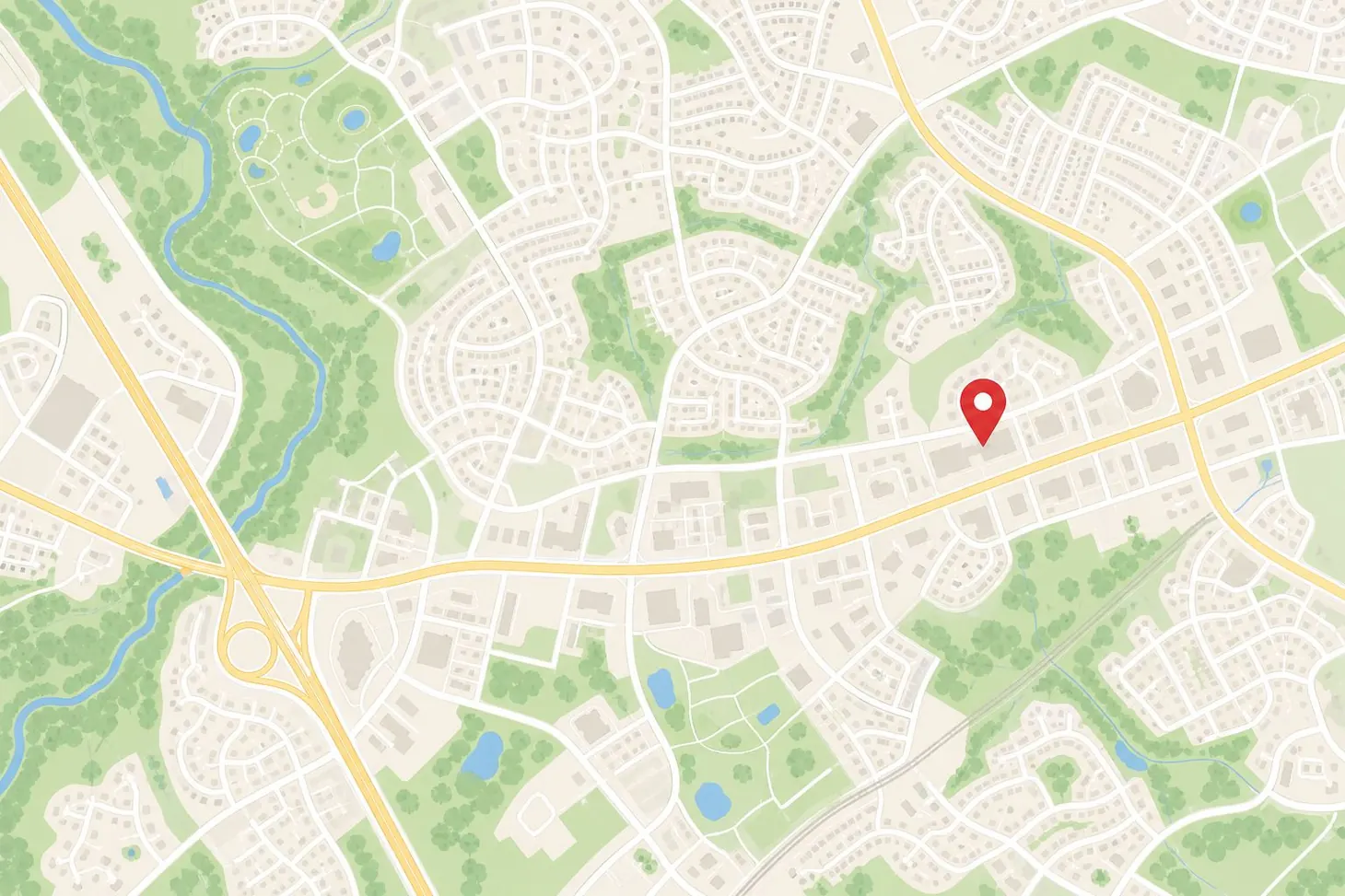
366 W Army Trail Rd #310a, Bloomingdale, IL 60108, United States

Hi! I'm Tooth fairy! Your AI Assistant Ask me anything