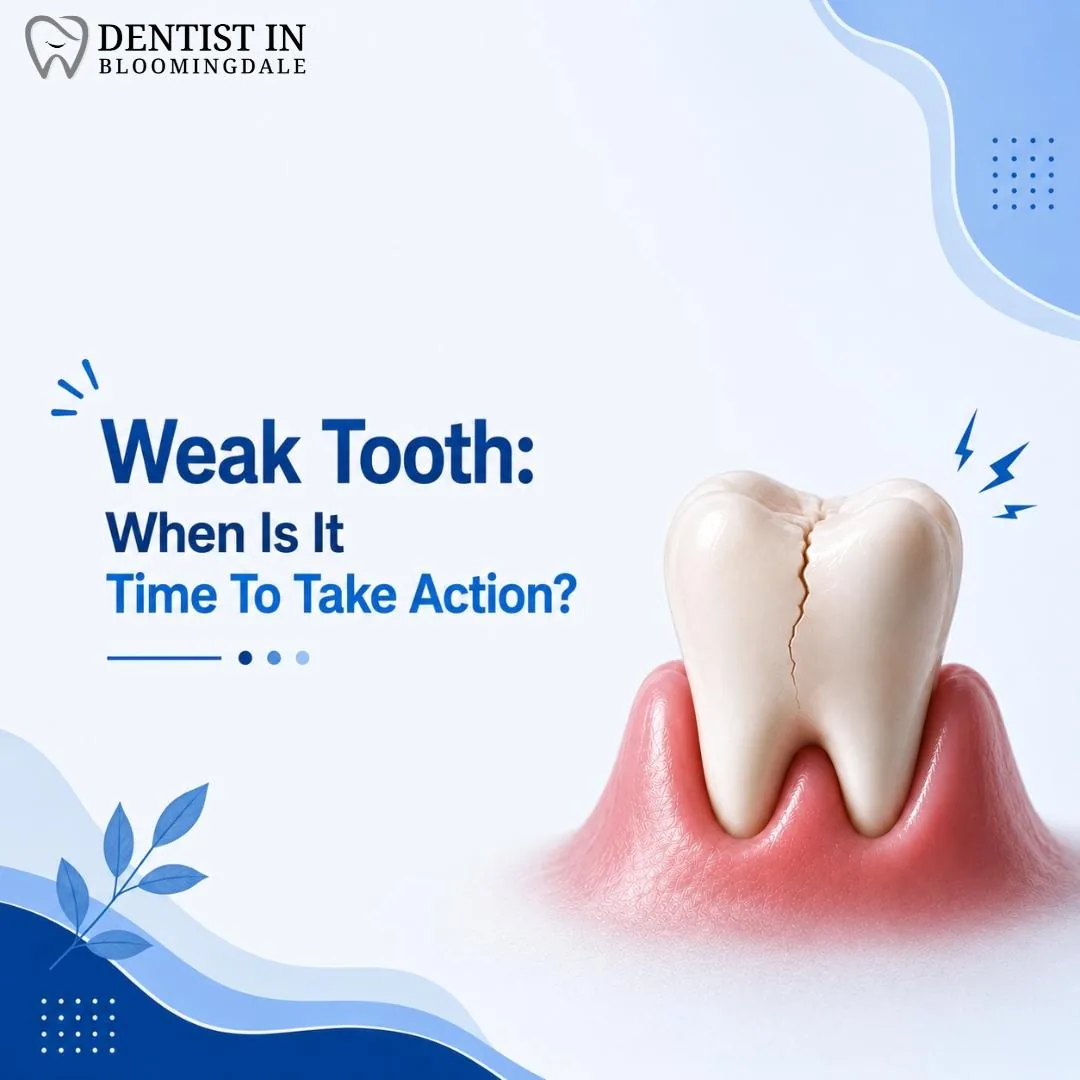
Many people feel a twinge or a sharp pain in a tooth and wonder if it is serious. They want to know when to call a dentist and how to stop the problem from getting worse.
Weak Tooth can come from enamel erosion, cavities, or grinding the teeth. Here you will know the common causes, the warning signs, and the main treatment options.
Many people experience weak teeth due to daily habits or health issues. Learning what can harm teeth helps you protect your oral health and avoid the need for serious dental treatment.
Acid wear from soda, citrus fruits, or stomach acid erodes the outer enamel of the tooth. Low pH levels on tooth surfaces speed this erosion. Erosion of tooth enamel weakens teeth and raises the risk of cavities, decay, and chipping. If left untreated, enamel loss can eventually result in tooth loss.
Brushing twice daily with fluoride toothpaste helps maintain enamel integrity and supports preventive care. Dental sealants can prevent cavities for many years by protecting tooth surfaces.
Limiting intake of foods and drinks high in added sugars and keeping good oral hygiene reduce acid attacks and tooth decay.
Tooth decay leads to serious dental problems. It ranks as a top cause of tooth loss in adults. Cavities form when bacteria produce acid that erodes the tooth enamel. Left untreated, these cavities can hollow out and destabilize the inner structure of the tooth. Young people also face risks from untreated cavities and early loss of baby teeth.
Proper oral hygiene plays a key role in preventing decay. Regular dental checkups help identify issues early on. The CDC recommends using fluoride and dental sealants to protect against tooth loss.
These preventive measures significantly reduce the chances of developing cavities and promote dental health. Dental X-rays are essential for assessing the extent of decay and spotting hidden cavities before they worsen.
Grinding of teeth, known as bruxism, often leads to weak teeth and tooth breakage. This common problem can cause deep cracks and rapid wear on teeth. Individuals who grind their teeth face a higher risk of losing them over time. Bruxism may also lead to jaw pain and temporomandibular joint (TMJ) disorders.
Both children and adults experience this issue, making regular dental check-ups essential for monitoring oral health. Dental professionals diagnose bruxism through careful examination and patient history. They recommend interventions like nightguards to help protect the teeth from additional damage caused by grinding.
Poor nutrition leads to weak teeth. Deficiencies in vitamins and minerals can increase the risk of tooth decay. Calcium and phosphorus are essential for strong tooth formation. Without enough calcium, teeth weaken and become more vulnerable to damage. Phosphate helps with mineralization, which is vital for healthy enamel.
Children often show signs of deficiencies with small or cone-shaped teeth. Parents should pay attention to their children's diets, ensuring they receive adequate nutrients. Chronic health conditions may interfere with nutrient absorption and lead to dental issues later on.
Maintaining a balanced diet plays a crucial role in supporting oral health. Weak teeth signal the need for action; recognizing these warning signs is an important next step for care.
Recognizing warning signs of a weak tooth is crucial for maintaining oral health. Pain during biting or chewing can indicate a problem. Sensitivity to hot or cold foods might also signal trouble.
Cracks or chips on the tooth surface often raise concerns too. Pay attention to these signs and take action when necessary. Discover more about how to protect your teeth effectively!
Pain during biting or chewing signals a potential problem with a tooth. Sharp pain often indicates decay, infection, or structural weakness. Dental trauma or bruxism can lead to fractures that cause discomfort while eating. A person experiencing persistent pain should seek dental evaluation quickly to avoid further complications.
Avoiding certain foods becomes common when biting causes pain. This avoidance may impact nutrition over time. Misaligned teeth and TMJ disorders also contribute to the discomfort during chewing. Addressing the source of this pain is crucial for maintaining good dental health.
Pain during biting or chewing can signal deeper dental issues. Sensitivity to temperature changes often accompanies such pain. Exposed dentin from enamel erosion increases sensitivity to hot and cold foods. Many people experience discomfort when eating ice cream or sipping hot coffee due to this condition.
Tooth sensitivity frequently points to the presence of cavities or cracks in teeth. A dentist can evaluate chronic sensitivity for underlying problems. For instance, individuals who grind their teeth may develop micro-cracks that worsen temperature sensitivity over time.
Children with hypodontia might also feel increased discomfort due to malformed teeth. Using fluoride toothpaste helps reduce this type of sensitivity effectively, making it an essential part of oral health care routines.
Sensitivity to temperature changes can indicate more than just discomfort. It may signal the beginning of tooth issues like cracks or chips. Sudden chipping or visible cracks often point to weak teeth and possible decay underneath.
These cracks commonly arise from grinding, trauma, or erosion of tooth enamel. Deep cracks elevate the risk of serious breakage and tooth loss.
Cracked teeth can trap bacteria that lead to infection and further decay. Dentists assess these conditions using visual exams and X-rays to determine how extensive the damage is. Early intervention for cracked teeth is crucial as it helps preserve their structural integrity. Chipped teeth may need restoration with bonding or crowns for support and protection against future problems.
Dental professionals offer various treatments to strengthen weak teeth. Options like fluoride treatments and dental bonding can significantly improve tooth health and appearance.
Fluoride treatments play a vital role in maintaining strong teeth. These treatments help remineralize early enamel lesions and prevent cavity progression. Professionals often apply fluoride varnish for both children and adults at risk of decay. Regular fluoride use can strengthen enamel and reduce sensitivity.
Brushing twice daily with fluoride toothpaste remains essential for preventive care against weak teeth. Community water fluoridation serves as an effective public health measure for cavity prevention, with the U.S. Department of Health and Human Services recommending optimal levels for oral health.
Many dental professionals suggest ongoing fluoride applications, particularly for high-risk individuals who need extra protection against cavities. Considering other treatment options is advantageous for oral health.
Transitioning from treatments with fluoride, dental bonding and crown applications offer effective solutions for weak teeth. Dental bonding repairs chips, cracks, or minor decay. This procedure helps restore function and aesthetics to compromised teeth.
Crowns provide full coverage and structural support for significantly weakened or damaged teeth. Dentists often recommend crowns for extensive decay or after root canal treatment.
The lifespan of a dental bridge, which may involve crowns, averages between 5 to 15 years. Both bonding and crowns prevent further breakage or tooth loss. Each case is unique; dentists assess the extent of damage and location in the mouth before making recommendations on restoration options like dental bonding or crowns.
Nightguards serve as a crucial defense for individuals with bruxism. They protect teeth from grinding damage. Custom nightguards fit snugly and can prevent deep cracks or further erosion of the enamel.
Dental professionals fabricate these oral appliances to ensure optimal support and comfort.
Regular adjustments keep nightguards effective over time. Patients often notice reduced jaw pain, TMJ symptoms, and fewer headaches in the morning after using them consistently. Both children and adults benefit from wearing nightguards while sleeping to preserve their natural teeth and dental restorations. This preventive strategy offers peace of mind for those at risk of tooth wear due to grinding.
A weak tooth can be caused by decay, injury, or gum disease. Poor dental hygiene and diet also play a role in weakening teeth.
Signs of a weak tooth include pain when chewing, sensitivity to hot or cold, and visible cracks or discoloration. If you notice these symptoms, it may be time to take action.
You should see a dentist as soon as you notice any signs of weakness in your tooth. Early treatment can prevent further damage and save the tooth.
Treatments for a weak tooth may include fillings, crowns, or root canals. Your dentist will recommend the best option based on your specific situation and needs.
Tell us a little about what you need — we'll be in touch shortly.
366 W Army Trail Rd #310a, Bloomingdale, IL 60108, United States
Hi! I'm Tooth fairy! Your AI Assistant Ask me anything